Almost everyone experiences head pain at some point in life. But not every headache is the same. This can lead to confusion between regular headaches and migraine, but these are very different in their causes, symptoms, and the impact on daily life. When symptoms are strong and frequent, look for a therapeutic alternative, such as Migraine Treatment in Ahmedabad.
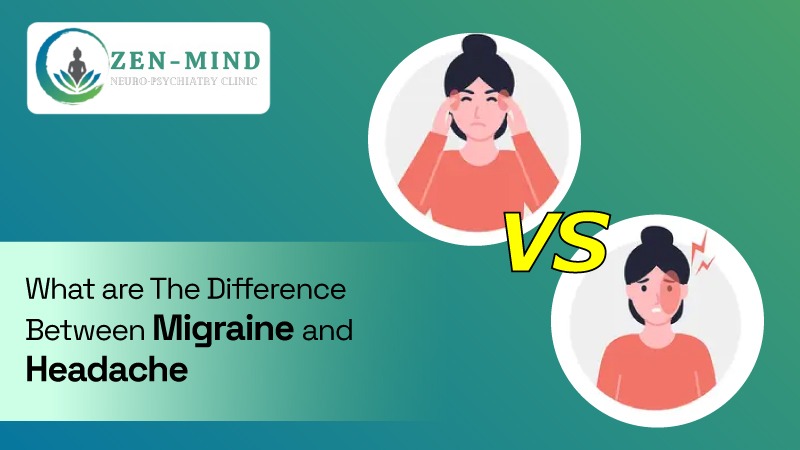
What is a Headache?
A headache is a general term for pain in the head, scalp, or neck. It may feel like pressure, tightness, or dull pain. Tension, a lack of sleep, dehydration, or straining your eyes are just some of the reasons headaches can occur.
That’s because most headaches aren’t serious, and they fade away on their own or in response to simple interventions like rest and hydration.
Evidence-Based Treatment Approach
Common Types of HeadachesTension Headache :
It is the most common type. It’s like a vice around the head. Stress or muscle tension usually causes it.
Sinus Headache :
It occurs because of infection or inflammation in the sinuses. The area surrounding the eyes, cheeks, and forehead hurts.
Cluster Headache :
It is a rare but quite painful headache. It comes in cycles or clusters, usually around one eye.
What is a Migraine?
A migraine is a neurological disorder characterised by severe, recurring headaches. More than a nuisance, migraines can significantly impact a person’s mood, vision, and overall performance.
The ache in a migraine is typically pounding and frequently affects one side of the head. And it requires proper care, sometimes even Migraine Treatment in Ahmedabad, and can last from hours to days.
Common Symptoms of Migraine :
Common Symptoms of Migraine- - Severe throbbing pain
- - Nausea or vomiting
- - Sensitivity to light and sound
- - Blurred vision
- - Dizziness
Many also have an aura — visual changes, such as flashes of light, that occur before the migraine starts.
Key Differences Between Migraine and Headache
Differentiating between the two can aid in appropriate management.
Common Symptoms of Migraine
Pain IntensityHeadaches typically produce mild to moderate pain. It feels gargantuan, yet it doesn't halt daily activities.
Migraines are debilitating, painful attacks that can prevent you from being able to work, walk, or talk.
Evidence-Based Treatment Approach
Type of PainHeadache pain is often steady and dull.
Migraine pain is typically throbbing.
Evidence-Based Treatment Approach
Location of PainHeadaches may occur on both sides of your head.
Migraines typically occur on one side; in certain cases, they may happen on both sides.
Evidence-Based Treatment Approach
Associated SymptomsHeadaches typically don’t have many other symptoms.
Migraines often include :
- - Nausea
- - Vomiting
- - Sensitivity to light and sound
Duration
Headaches can last from 30 minutes to a few hours.
Migraines can last from a few hours to 2–3 days if not treated properly.
Causes and Triggers
Causes of Headaches :
- - Stress
- - Dehydration
- - Poor posture
- - Lack of sleep
- - Hunger
Triggers of Migraine :
- Migraines have certain triggers, including :
- - Hormonal changes
- - Some foods (chocolate or cheese)
- - Bright lights
- - Loud sounds
- - Strong smells
- - Weather changes
Understanding what triggers the migraines helps lessen their frequency.
Treatment and Management
Managing Headaches
The vast majority of headaches can be treated with :
- - Rest
- - Drinking water
- - Over-the-counter medicines
- - Stress management
Migraines usually require more intensive treatment. Treatment may include :
- - Prescription medicines
- - Lifestyle changes
- - Avoiding triggers
- - Relaxation techniques
People who are more susceptible to therapy, such as Migraine therapy in Ahmedabad, or what is the best approach, can be determined via appropriate evaluation and a structured strategy that is highly customized to individual needs.
Conclusion
A headache is usually light and brief; a migraine is a complex medical disease that can severely disrupt your everyday life. Understanding the distinctions with experts at Zen-Mind Psychiatry Clinic helps you choose the proper therapy and manage your symptoms.
