Ask someone in the middle of addiction how it began, and you’ll rarely hear a dramatic story. A tablet for a rough week. A drink after work that became two, then four. Something a friend offered once. Somewhere along the way, “I can stop whenever I want” quietly stopped being true. If that’s you or someone in your house, De-addiction Treatment in Ahmedabad is a real way back, and the sooner the signs are noticed, the easier it gets.
What Is Drug Addiction?
The medical name is substance use disorder. A person keeps using even when it’s clearly costing them, and they can’t pull back. Over time, the substance changes how the brain deals with reward, choices, and cravings.
So no, it isn’t a weak character. Plenty of strong, capable people end up here. Getting out usually takes a doctor, a counsellor, and family who stay put.
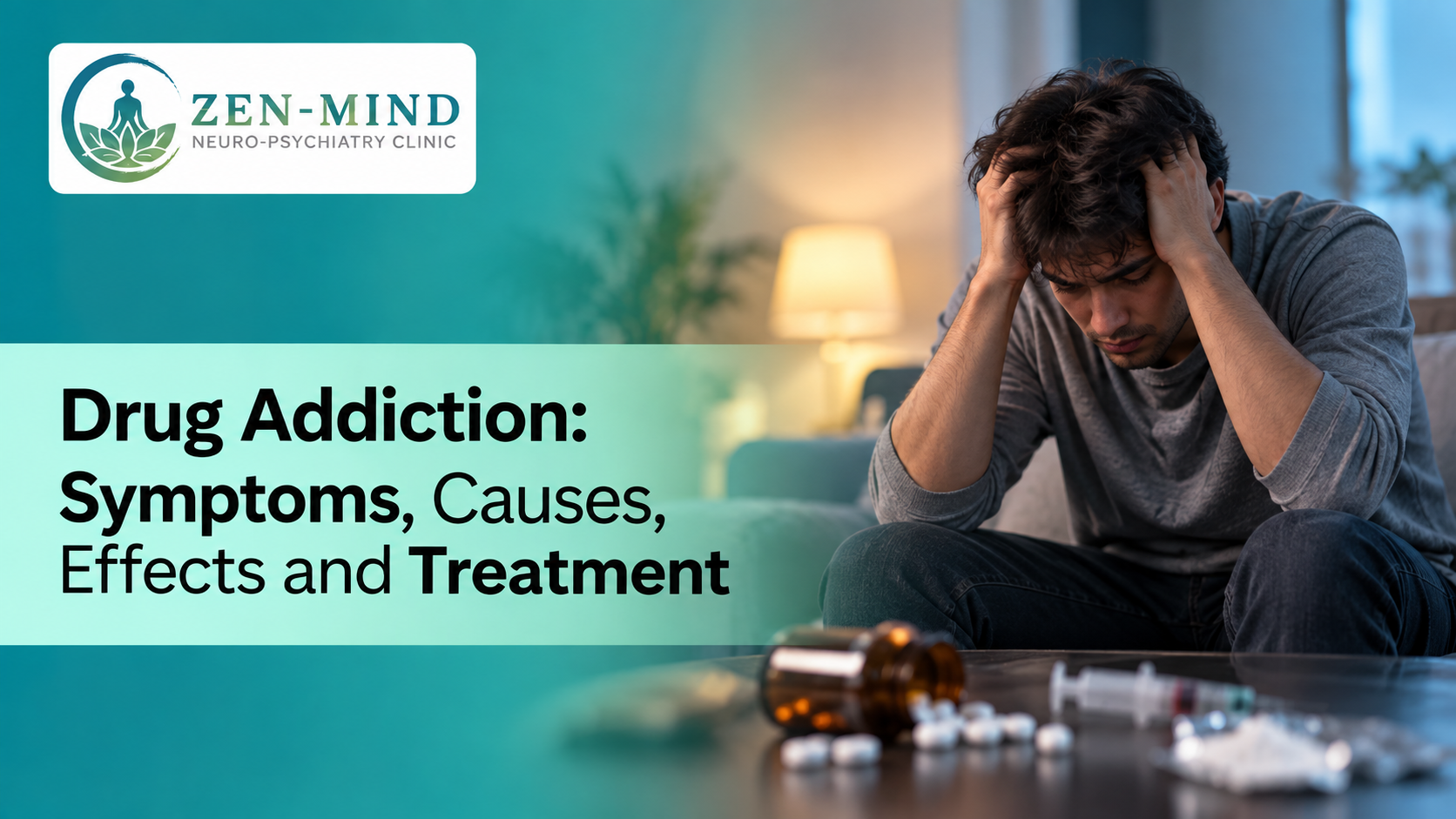
What Are the Common Signs and Symptoms of Drug Addiction?
What it looks like depends on the substance, how often it’s used, and the person’s health. But some things show up almost every time.
The craving comes first, a pull that’s hard to ignore. After it, control starts to slip. They take more than they meant to, or promise to cut down and can’t. The body adapts, so the usual dose stops working, and when use drops, withdrawal makes them feel awful enough to start again.
Family tend to spot the behaviour first. Someone gets secretive, snappy, or anxious or keeps away from people they used to enjoy. Jobs get missed. Hobbies are dropped. And through all of it, they carry on even while their health, money, and relationships take a beating.
A single sign proves nothing. A pattern that keeps repeating deserves attention.
What Causes Drug Addiction?
There’s no one cause. Usually a few things stack up.
Mental Health Challenges
Anxiety, depression, stress, or old trauma can push a person to use something to take the edge off. For a while, it works, which is what makes it dangerous. Eventually, the substance becomes the bigger problem.
Family History and Genetics
Addiction in the family raises the risk. It doesn’t seal anyone’s fate, and many people with that history never develop it.
Peer Pressure and Environment
Living around people who use, having tension at home, or having drugs within easy reach all make a harmful habit more likely.
Repeated Substance Use
Certain drugs rewire how the brain handles pleasure and motivation. The more someone uses, the stronger the cravings and the weaker their control.
How Does Drug Addiction Affect Daily Life?
Almost nothing is left untouched. The heart, liver, lungs, and brain can all be damaged by some substances. Anxiety, low mood, bad sleep, and swings in temper usually get worse. At home, lies and fights wear trust thin until relatives feel they’re living with a stranger.
Then there’s work or college, where focus fades, absences add up, and results drop. Money drains away quickly too, and debt tends to follow. It can all feel impossible from the inside. Yet people do recover with proper treatment, and plenty rebuild their lives.
What Are the Treatment Options for Drug Addiction?
Addiction can be treated. What the plan looks like depends on the substance, how severe things are, the person’s general health, and whether a mental health condition is part of the picture.
1. Medical Assessment and Detoxification
It starts with an assessment of what’s being used, the withdrawal risks, and overall health. Where needed, doctors supervise detox so withdrawal happens safely.
Detox is just the doorway. Without further care, relapse is common, so treatment continues afterwards.
2. Counselling and Behavioural Therapy
This is where a lot of the real work happens. In individual counselling, cognitive behavioural therapy, or family sessions, a person learns what actually sets off the urge. It might be a certain street, a bad mood, or one particular friend. Then they practise what to do instead when it hits.
3. Medication When Appropriate
Some substance use disorders respond to prescribed medicines. A qualified doctor decides whether they’re suitable and checks how they’re working.
4. Rehabilitation and Ongoing Support
Some people need a residential programme. Others do well with outpatient care. Either way, peer groups, involved family, and regular follow-up appointments make relapse less likely.
How Can Families Support Someone With Addiction?
It hurts to watch, and anger comes quickly. But shouting and shaming push people deeper into hiding. Calm listening and gentle nudging towards professional help can do far more.
Wait for a sober moment and talk in private. Say you’re worried rather than making threats. Offer to book the appointment for them, and keep treating them with respect. Learn what addiction actually is, and don’t ignore your own strain, because family counselling exists for that.
If they pass out, struggle to breathe, have a seizure, or can’t be woken, call for emergency medical help right away.
Take the First Step Towards Recovery
Asking for help is especially difficult when you’re afraid of being judged. Do it anyway. It’s often the turning point.
If you or a loved one needs guidance, contact Zen-Mind Clinic at 7045578483 to ask about mental health support and the treatment options available.
Anyone looking into De-addiction treatment in Ahmedabad can start with a qualified professional, who will assess the situation and suggest the next steps. Recovery is slow, and sometimes messy. But people do get there, and they rarely do it alone.
