Nobody plans on becoming addicted. It usually starts small, a way to take the edge off stress, numb old pain, or curiosity that went further than intended. Then one day the occasional thing isn't occasional anymore. Drug De-addiction Treatment in Ahmedabad matters early, addiction reshapes the brain, strains relationships, and chips away at work and daily life before it's obvious from the outside.
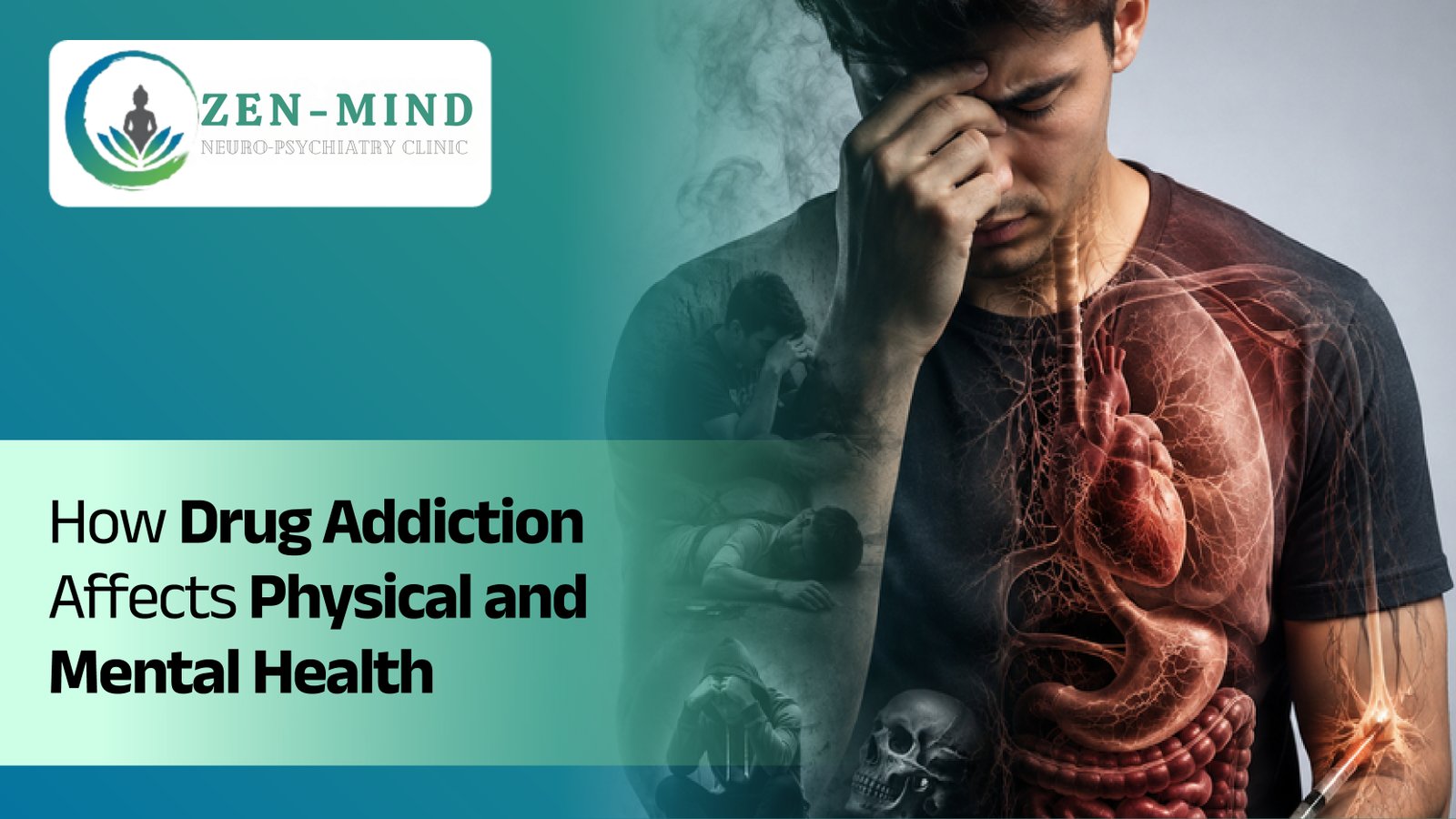
What Is Drug Addiction?
Put simply, it's continuing to use even after knowing what it's doing to you. Repeated use rewires the brain's reward system, making it harder to stop listening to willpower. Left untreated, it tends to get worse, dragging medical, emotional, and social problems along with it.
How Drug Addiction Affects Physical Health
Nearly every organ system feels this eventually, some drugs go after the heart, others hit the lungs or liver.
Heart and Blood Vessel Problems
Heart rate and blood pressure climb with a lot of commonly used drugs, driving up the risk of heart attack, irregular heartbeat, or stroke.
Liver and Kidney Damage
These organs filter toxins nonstop. Keep feeding them drugs, and that function slips, sometimes ending in chronic liver disease or kidney failure.
Weak Immune System
Immunity wears down quietly. Infections show up more, and recovering from something as ordinary as a cold takes longer.
Lung Problems
Whatever's smoked or inhaled lands right in lung tissue with no defence against it, a cough that won't quit, harder breathing, sometimes lasting respiratory disease.
Poor Nutrition and Weight Changes
Eating habits fall apart, weight drops, nutrients run low, muscles weaken, and there's fatigue rest doesn't touch.
The Hidden Impact on Mental Health
The brain absorbs some of the heaviest damage, even though it's the least visible.
Anxiety and Depression
Brain chemistry gets thrown off, and anxiety, low mood, and hopelessness tend to follow. Plenty of people use it specifically to escape emotional pain and end up with more of it.
Memory and Concentration Problems
Focus gets unreliable, and so does memory. Decisions that used to take seconds start needing real effort.
Mood Swings and Irritability
Irritability spikes without much warning, and small frustrations turn into arguments faster, family usually notices before the person does.
Sleep Disturbances
Sleep is often one of the first things to go, and once it does, it drags physical recovery and emotional steadiness down with it.
Increased Risk of Mental Disorders
Risk climbs with long-term use, psychosis, severe depression, panic attacks, and, in some cases, suicidal thoughts. This is where professional help stops being optional.
How Addiction Affects Daily Life
Common challenges:
- - Missing work or school
- - Money and debt burden that never stops building up
- - Ongoing friction at home
- - Drifting away from friends
- - Legal trouble
- - Self-worth eroding quietly
- - A smaller life than we used to live
Along with personal relationships, hobbies and interests also often start to disappear, being replaced by a daily routine that feeds back into the addiction.
Can Drug Addiction Be Treated?
Yes, worth stating plainly, recovery is possible given the right medical treatment and emotional support.
Drug addiction treatment in Ahmedabad by professionals may include the following:
- - Supervised medical detox
- - One-on-one counseling
- - Behavioral therapy
- - Family-inclusive sessions
- - Relapse prevention planning
- - Ongoing follow-up care
But it is not about stopping drug use, it is about reclaiming what has been lost in addiction.
When Should You Seek Professional Help?
A lot of people wait until addiction's already caused real damage before reaching out. Worth considering help if you notice:
- - Needing more of a substance for the same effect
- - Withdrawal symptoms once use stops
- - Responsibilities at work or home starting to slide
- - Failed attempts to quit
- - Things generally getting worse, not better
Acting early tends to head off a lot of what comes later.
Small Lifestyle Changes That Support Recovery
Stopping use is only part of it. Real healing needs the body and mind pulling in the same direction.
- - Eating meals that actually fuel the body
- - Staying physically active, even just walking
- - Sticking to a consistent sleep schedule
- - Steering clear of old triggers
- - Building a support network that's actually reliable
- - Learning stress management that doesn't involve substances
- - Showing up to therapy consistently
These habits meaningfully cut relapse risk.
Final Thoughts
Drug addiction isn't just a physical health issue. It reaches into how someone thinks, feels, works, and connects with others. Recovery isn't rare either, with the right care and people who show up, it happens more often than you'd think. Drug De-addiction treatment at Zen-Mind Psychiatric Clinic can be that starting point, a way back to health and to a life that feels like an actual life again. You can also call 7575010050 and book you slot.
