Everyone has bad days. A tough week at work, an argument with someone you love, a string of disappointments, and sadness that comes and goes are just part of being human. But when it starts creeping into your work, your relationships, and your ability, then something bigger might be going on. Recognising the early signs is what allows you to get real support before things become harder to manage. If you've been searching for Depression Treatment in Ahmedabad, learning to spot these symptoms is where that journey starts.
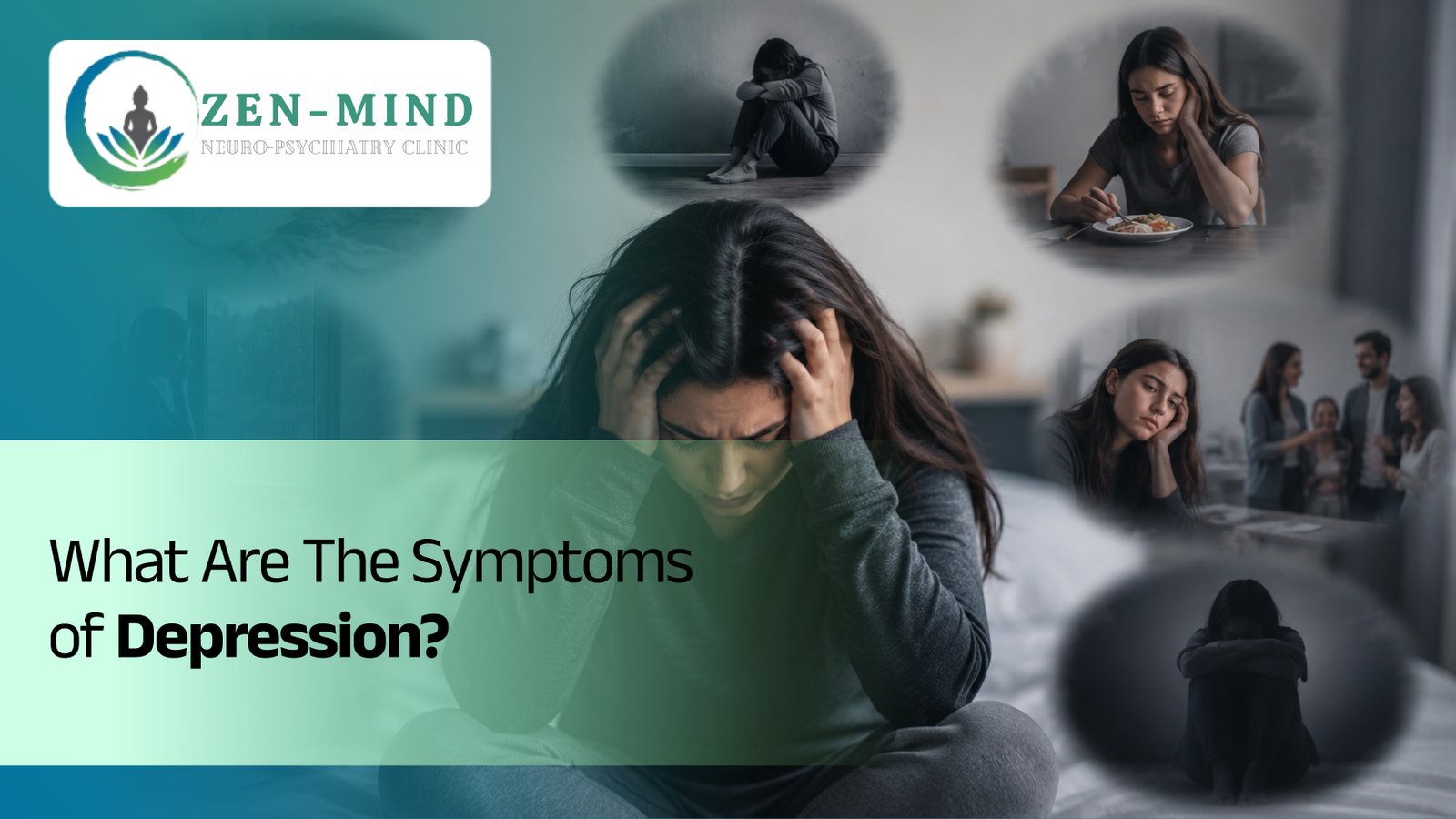
Why It Is Important to Recognise Depression Early
Depression isn't just "feeling low" for a while. It's a genuine mental health condition, and it can reach into how you think, how you feel, your physical health, and even how you act around others.
Catching it early tends to make treatment work better. It also reduces the odds of long-term emotional strain, strained relationships, and struggles at work or in school.
Common Symptoms of Depression You Should Never Ignore
No two people experience depression quite the same way. For some, it shows up emotionally first. For others, the body speaks up before the mind does.
Persistent Sadness
When sadness lingers most of the day, nearly every day, for two weeks or longer, that's one of the clearest signs something's wrong. What's strange is that even good news or happy moments often don't lift it.
Loss of Interest in Daily Activities
Things that used to bring a spark of joy, a hobby, time with family, a favourite meal, and weekend plans with friends can start to feel flat and pointless.
Constant Tiredness
A full night's sleep doesn't always help. People dealing with depression often wake up already exhausted, and even small daily tasks can start to feel like heavy lifting.
Changes in Sleep
Sleep doesn't stay the same either way. It can swing in two very different directions. Some people find themselves sleeping far more than usual, barely able to stay awake. Others deal with insomnia , tossing and turning, waking up repeatedly through the night.
Appetite and Weight Changes
Food can lose its appeal entirely, or a person might start eating far more than they normally would. Either pattern can bring noticeable changes in weight over time.
Difficulty Concentrating
Focusing gets harder. Remembering things, making even small decisions, it all takes more effort than it should. That struggle often bleeds into work performance or school grades.
Feelings of Worthlessness or Guilt
Many people start blaming themselves for things that were never really in their control. They might feel like a burden on the people around them or convince themselves they simply aren't good enough.
Irritability and Anger
Depression does not always exhibit itself as sadness. Other times it seems to manifest as short tempers, frustration over trivial matters or an overall impatience that wasn't there before.
Thoughts of Self-Harm or Suicide
For more serious cases, depression can lead to self-harm and suicidal thoughts. It's never something that you wait out, it's a medical emergency, and seeking help will save all of your lives right now.
What Causes Depression?
Rarely does depression trace back to just one cause. Usually, it's a mix of several factors working together.
Some of the more common ones include:
- Family history of depression
- Long-term stress
- Traumatic life events
- Chronic medical conditions
- Hormonal changes
- Certain medications
Once a doctor understands what's driving it for a particular person, they can shape a treatment plan around that.
When Should You See a Mental Health Professional?
Many people delay getting support. If you get it at the right time, you can save yourself from serious issues.
It's worth reaching out if:
- Daily life becomes difficult.
- Relationships are affected.
- Work or studies start to decline.
- You lose interest in things you used to enjoy.
- You wish you could go out of this world.
In general, receiving assistance sooner rather than later makes it more straightforward and speedy to feel better.
Effective Treatment Options for Depression
Psychotherapy, medications, and lifestyle improvements. Regular exercise, balanced diet, adequate sleep, stress management and Social support. Having a rigorous set of small daily habits will go a long way in aiding your recovery.
Final Thoughts
Depression is a clinical illness and treatable. Don't suffer with sadness, low energy, broken sleep or anything that stops you from enjoying your life. Timely and appropriate depression treatment at Zen-Mind Psychiatry Clinic can bring you back to your original emotional level and lead you back to a better life. You can also call 70455 78483 to book your appointment.
